
Can You Fully Recover From Addiction? The Truth About Long-Term Sobriety
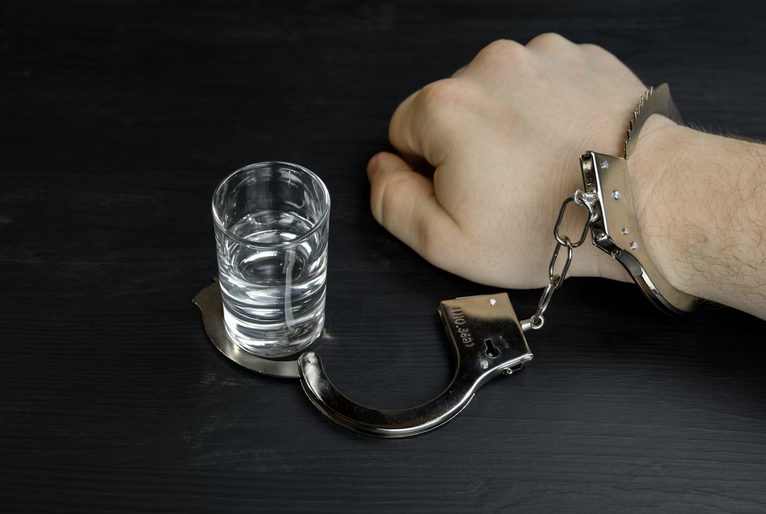
Addiction is a complex battle that many face and the journey to recovery is often filled with twists and turns. The question on everyone’s mind tends to be: Can you fully recover from addiction? While some may view sobriety as a destination, experts agree that it’s more of an ongoing process.
Each individual’s experience differs widely; some find their way back to stability, while others navigate the rocky terrain of relapse. One thing for sure is that getting help from these top rehabs in Florida can make life easier. But again, understanding what true recovery looks like can provide hope for those struggling.
It’s not just about abstaining from substances but embracing a new lifestyle enriched with support and healthy choices. Let’s unpack what long-term sobriety really means and explore how you can foster your own path forward in this life-changing journey.
Recovery Is a Lifelong Process
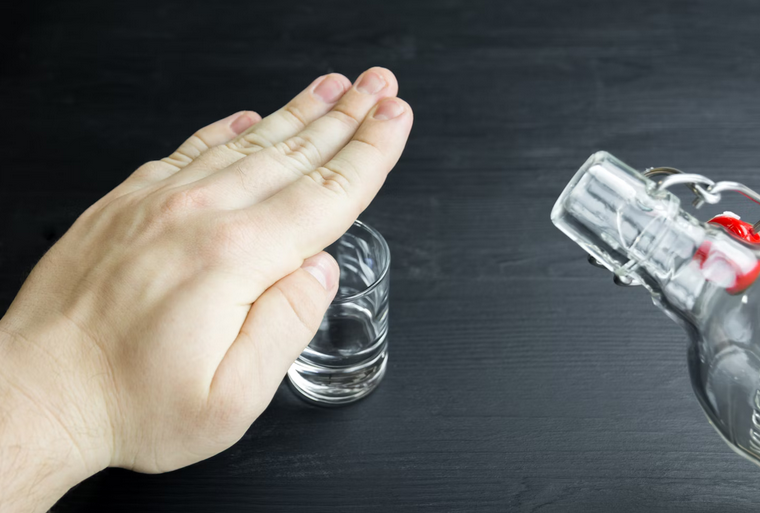
Recovery is often mistaken for a one-time event. In reality, it’s an ongoing journey that requires commitment and resilience. The path to sobriety doesn’t have a finish line; instead, it unfolds with each decision made every day. Embracing this understanding helps individuals prepare for the ups and downs of life without substances.
It involves developing coping strategies for stressors that may arise long after initial treatment. Each step along the way teaches valuable lessons about oneself and personal triggers. This continuous growth fosters self-awareness essential in maintaining sobriety over time.
Relapse Is Part of Recovery for Many
Relapse is often seen as a setback, but for many, it’s an integral part of the recovery journey. It can happen to anyone at any stage. Recognizing that relapse doesn’t mean failure is crucial. Each time someone relapses, they gain insights about their triggers and coping mechanisms.
This knowledge can strengthen future efforts toward sobriety. Understanding this cycle allows individuals to learn from their experiences rather than feel defeated. It’s important not to shy away from seeking help after a relapse. Professional guidance can provide new strategies and reinforce commitment to recovery goals.
Building a Support System Is Mandatory

A strong support system is crucial in the recovery journey. Friends, family, and mentors can encourage you when times get tough. They help reinforce positive behavior and remind you of your goals. Sharing experiences with others who understand can be incredibly therapeutic. Support groups create a safe space to express feelings without judgment. These connections foster accountability, ensuring you’re not navigating this path alone.
It’s also important to seek out professionals like therapists or counselors. Their guidance helps address underlying issues that contribute to addiction. Combining personal relationships with professional support creates a robust network for healing. The relationships formed here will become invaluable as you navigate the ups and downs of recovery together.
Adopting a Healthy Lifestyle Boosts the Progress
A balanced diet helps restore the body, providing essential nutrients that aid healing. Regular exercise is another powerful tool. Physical activity releases endorphins, which boost mood and reduce stress. Whether it’s yoga, running, or dancing, finding an enjoyable way to stay active makes a difference.
Mindfulness practices like meditation also contribute positively. They enhance self-awareness and emotional regulation, making it easier to handle cravings and triggers. Establishing routines around sleep is vital too. Quality rest supports cognitive function and emotional resilience—both critical during recovery.
The Journey Can Be Costly But There Is Insurance Coverage for You

The journey to recovery can indeed be costly. Many individuals find themselves navigating the financial burdens of treatment, therapy sessions, and ongoing support services. These expenses can add up quickly, creating additional stress for someone already facing significant challenges.
However, note that insurance coverage is available for many types of addiction treatments. Policies often cover a range of services—including detox programs, inpatient rehabilitation facilities, outpatient counseling sessions, and aftercare resources.…

 Some people may think that they can get rid of the habit on their own, but this is not always the case. This endeavor is hard and challenging as drugs and alcohol have been part of their lives for quite some time. This is why rehabilitation is highly recommended. The first and probably the most crucial step in this process is detoxification. It involves the body to be cleansed by eliminating the toxins that were caused by the excessive use of addictive substances. An individual who undergoes this method may experience sweating and cramping. He or she may even have constipation. In severe cases, delirium is most likely to occur because of the unexpected or sudden withdrawal.
 Haven House is a detox center that is located in Los Angeles, California. They are committed to reaching out to those people who have been struggling with drugs and alcohol addiction and the different mental disorders that arise from such condition. All their patients are treated with utmost care and respect. They are given special attention and provided with treatment that will significantly contribute to the attainment of permanent and positive changes in their lives.…